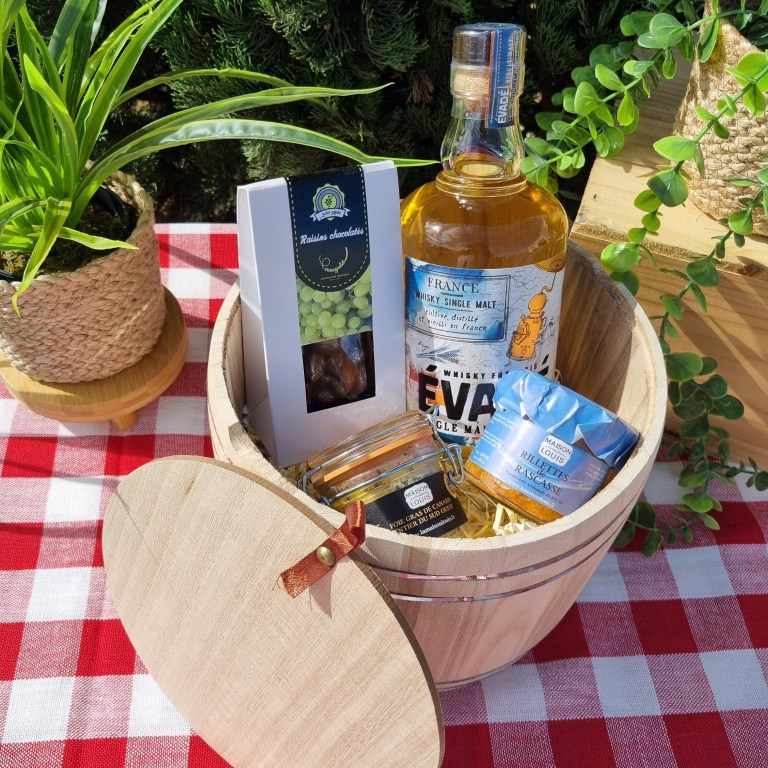
According to the Rural Code, Foie gras is part of France’s protected cultural and gastronomic heritage. But which region is it originally from: Alsace or Sud-Ouest? Foie gras is by definition the Foie gras of a duck or goose that has been specially fattened by force-feeding.
The history and origin of Foie gras
It is worth knowing that the origin of Foie gras does not come from these two regions. Indeed, the history begins in ancient Egypt, approximately 4500 years ago. The farmers of the Nile were the first to notice that geese ate more as their long migratory journey approached. Thus, methodical force-feeding became a common practice, where geese and ducks were fattened to improve the taste of their livers… very fatty.
Good to know : The celebration of the arrival of the first Foie gras on the famous fat markets of the Sud-Ouest takes place at Martinmas. On 11 November, we celebrate this young soldier who died of exhaustion while supporting and protecting the peasants of the most remote countryside areas. He became the emblem of this dish often synonymous with celebration. 11 November also marks the end of the maize harvest used to fatten the livers. It is also the beginning of winter’s harshness. It is also a time of sharing and conviviality.
How is Foie gras tasted at the fat markets ?
You can indeed taste Foie gras offered by producers at the fat markets on St Martin’s Day. This would be an opportunity to taste the famous St Martin’s Day tartine. It is composed of a slice of peacock lightly toasted, then covered with onion jam, shredded smoked Magret, a fine slice of Foie gras as well as a few grilled peppers. To see the list of cities with fat markets, visit the official website of Foie gras producers at the following web address : http://www.lefoiegras.fr/producteurs-masterpage/rencontrer/producteurs-rencontrer-liste-fermes.
Good to know : Goose Foie gras has a finer flavour. It is also less creamy when cooked. In the past, only goose Foie gras was consumed. The current trend is towards duck Foie gras. It is more profitable and has a unique taste. As for the species of ducks used for fattening, the mulard and the Barbary duck are generally chosen. Adult ducks are fattened at the rate of two meals a day for 11 to 15 days depending on the production system.