


Whilst terrines and pâté typically appeal to all food lovers, they are sometimes confused. However, according to tradition, each has its own particular characteristics. So what is the true difference between a terrine and a pâté? Local cuisine is marked by many traditions, extending beyond the simple reality of the plate to become part of a borderless cultural heritage. Terrine and pâté are essential elements of regional culinary secrets, and can be prepared with all manner of sauces! Whilst these preparation methods are known to the majority of the French population, the difference between pâté and terrine is difficult to define.
Difference between terrine and pâté
The fundamental difference between pâté and terrine lies above all in the richness of the French language. Indeed, the terrine corresponds to the container in which this preparation is cooked. This earthenware utensil was particularly appreciated by the Romans, who loved meat terrines.
In summary, it is the container that gave its name to the content, which itself resembles garnishes based on meat, fish or even vegetables.
And it is precisely this content that makes the difference between these two regional dishes! In fact, the conditions under which a terrine is called as such lies in the characteristics of its preparation. Certainly, you will need to put all the ingredients you need in a clay container then put it in the oven and let them cook slowly. After cooking, place the terrine in the refrigerator for at least one day so that you can serve it chilled.
What is pâté ?
By definition, pâté is different from terrine. Indeed, it is enjoyed cold or warm, and is cooked in pastry in the form of a crust from which the name « pâté en croûte » comes, which is distinguished mainly from its neighbour the terrine.
Basically, the pastry crust served only to protect the filling and preserve it for a long time. Nowadays we combine business with pleasure by making tarts with crusts and delicious fillings.
Even if you don’t have a batterie de cuisine linked to tart-making, you still need to use the right moulds to optimise the cooking and the result when it comes out of the oven.
A few recipes for terrines and pâtés en croûte
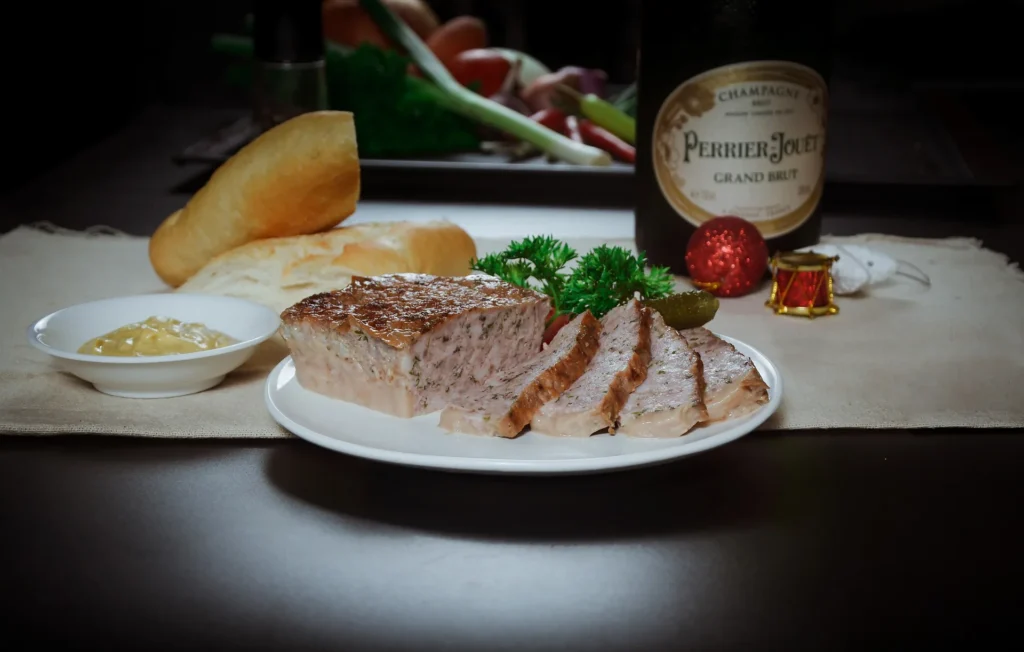
In order to differentiate between terrines and pâtés in crust, here are some of the most well-known recipes. Whether made with minced or sliced meat, composed of vegetables, fish or poultry, French cuisine is rich in small delicacies. There is the country terrine, composed of several meats such as poultry and pork, enhanced with garlic cloves, salt and pepper as well as carrots. The terrine of Foie gras duck or poultry livers, the terrine of venison with Cognac, the salmon terrine or even the pâté of rabbit, wild boar, or roe deer. These latter are great classics of the pâté in crust.