
The use of preserves dates back several centuries. The first preserves were developed in the late 18th century in France, in response to the need to preserve food for long sea expeditions.
Tinning is a method of food preservation that consists of putting food in a hermetically sealed container, then heating it to kill pathogenic micro-organisms.
Due to the risk of food poisoning, one of the best ways to tin most foods is to expose them to high temperatures (usually 110 to 120°C) for the time necessary to destroy or inactivate micro-organisms.
History of preserves
In the early 19th century, preserves became an essential element of provisions for sailors and soldiers on campaign. The first commercial preserves were introduced in the United States in the 1820s and rapidly gained in popularity.
Over time, the preserve has become an important element of food security. It has made it possible to keep food for months, even years, by protecting it against deterioration caused by air, moisture and bacteria. During the twentieth century, the use of the preserve extended to many sectors of the food industry.
Tinned foods have become an essential element of the diet of many families, offering a practical and affordable solution for keeping food for later use.
Today, the technique of preserving is used throughout the world to preserve a wide variety of foods, from fruits and vegetables to meats, fish and seafood. Advances in technology have made it possible to improve the quality of preserves, ensuring better preservation of the nutrients, texture and flavour of tinned foods.
The different types of containers for preserving food
There are several types of containers for preserves, each with its own advantages and disadvantages depending on the foods to be preserved, the desired shelf life and the processing method chosen.
Glass jars:
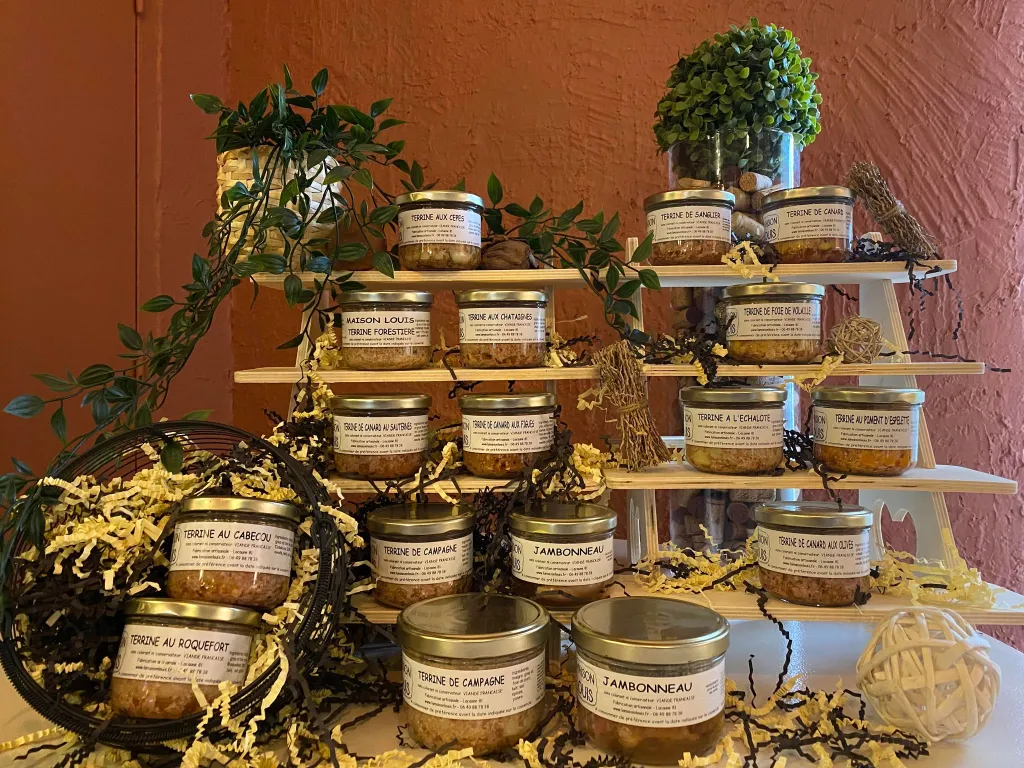
Glass jars are very popular for preserving food. They are airtight, heat-resistant and can be sterilised. Glass jars also allow you to see the contents, which is useful for identifying and visually appreciating the preserved food.
However, glass jars can break easily if mishandled, and they are also heavier than other types of containers.
Metal preserve tins:
Metal tins are the most common packaging for preserving food for two centuries. They are lightweight, durable, resistant to oxidation and airtight and moisture-proof. Metal tins are also easy to store and transport. However, they do not allow you to see the contents and can rust if they are poorly stored or handled.
Vacuum pouches:
Vacuum pouches are used to preserve fresh food and to preserve the flavour and texture of food. Vacuum pouches are airtight and allow air to be removed from inside the pouch to prevent bacterial growth. They are also convenient for storage and transport, as they are lightweight and do not take up much space. However, they are not very resistant and can be pierced or torn easily.
Plastic packaging:
Finally, plastic packaging is commonly used to preserve food such as tinned fruits and vegetables. Plastic packaging is lightweight, durable and moisture-resistant. However, it is not very airtight and moisture-proof, which can lead to food deterioration over time.